
Packrafting vs. Hard-Shell Kayaking: Flow Limits, Stability & Maneuverability
How hull rigidity, tube diameter, and displacement affect craft handling at different CFS levels: when packrafts excel and when hard-shells are mandatory.
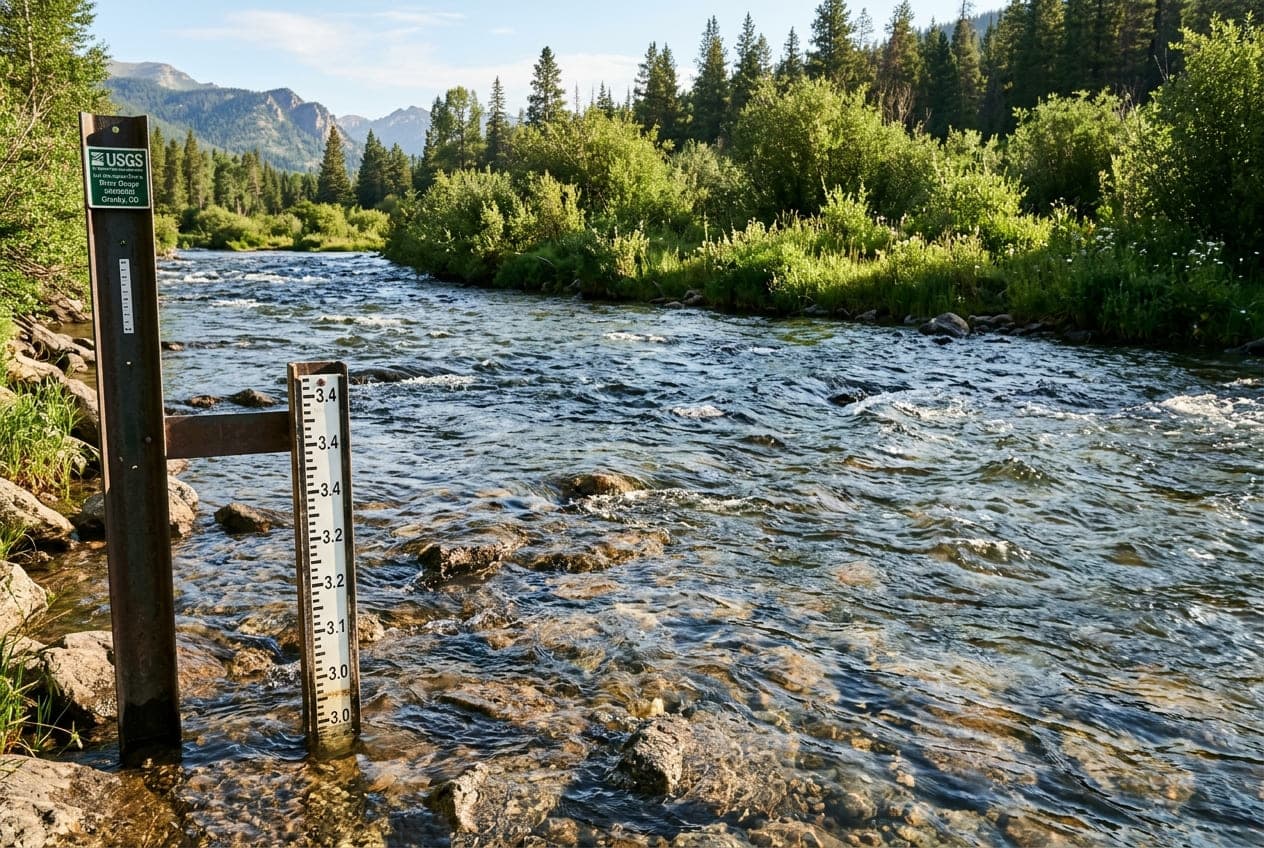
The rapid evolution of modern ultralight packrafts (weighing between 6 and 12 pounds) has democratized wilderness river travel, allowing backcountry hikers and bikepackers to access remote canyons that were previously inaccessible with 50-pound plastic kayaks.
However, as packrafters push into higher flow rates and more technical whitewater, understanding the fundamental hydrodynamic differences between a flexible, air-filled inflatable and a rigid, hard-shell plastic kayak is essential for safety.
A river running at 1,200 CFS feels dramatically different in a 7-pound packraft than it does in a modern creek boat. Here is an engineering and practical breakdown of flow limits, stability, and handling dynamics.
1. Structural Rigidity and Hydraulic Interaction
The most critical difference between the two crafts is hull rigidity:
Hard-Shell Plastic Kayaks (High-Density Polyethylene - HDPE)
- Rigid Planing / Displacement Hulls: Maintain an unyielding, precise hydrofoil shape regardless of water pressure.
- Edging & Rail Engagement: When a kayaker tilts their hips, sharp hull edges (chines) bite into the water, allowing crisp tracking across powerful eddy lines and high-speed ferrying through heavy waves.
- Hydraulic Piercing: Rigid bows pierce directly through breaking waves and punch through the recirculating backwash of holes.
Inflatable Packrafts (TPU-Coated Nylon)
- Pneumatic Flexibility: Inflated to approximately 1.5 to 2.5 PSI. While remarkably tough against abrasion, the flexible tubes deform when subjected to extreme hydrodynamic loads.
- The “Taco” Effect: In large, vertical drops or heavy reversing hydraulics (holes), the water pressure acting against the bow and stern can cause the packraft to fold in half like a taco, trapping the paddler or ejecting them into the current.
- Surface Riding: Large-diameter tubes (typically 10 to 12 inches) displace significant volume, causing the boat to ride high on the surface like a cork rather than slicing through waves.
2. Stability Dynamics: Primary vs. Secondary Stability
| Craft Type | Primary (Initial) Stability | Secondary (Edge) Stability | Rolling & Recovery |
|---|---|---|---|
| Whitewater Packraft | Extremely High. Wide flat footprint makes the boat feel rock-solid on flat water and mild chop. Difficult to accidentally tip over in class I–II. | Low / Abrupt. Once a large lateral wave lifts the side tube past its balance point, there is little secondary resistance to prevent an immediate flip. | Self-righting rolls are difficult without rigid thigh straps; wet exits and re-entries are the standard recovery method. |
| Hard-Shell Kayak | Moderate / Tippy. Narrow beam (typically 25–27 inches) feels twitchy to beginners on flat water. | Extremely High. Hard chines and flared sidewalls allow the paddler to tilt the boat onto its side at 60-degree angles without capsizing. | Combat rolls (Eskimo rolls) allow instant righting without ever exiting the cockpit. |
3. Flow Limits (CFS) and Wave Behavior
How do changes in river streamflow (CFS) impact handling for each craft?
Low to Moderate Baseflow (Low CFS)
- Packraft Advantage: Packrafts have virtually zero draft (drawing only 2 to 3 inches of water). In shallow, rocky, low-water conditions where hard-shell kayaks grind bottom and scrape every boulder, packrafts bounce lightly over shallow shoals and rocks.
High Runoff / High Water (Elevated CFS)
- Hard-Shell Kayak Advantage: As streamflow surges, wave trains become steep, boiling boils and whirlpools form along canyon walls, and hole hydraulics grow deep. A hard-shell kayak has the forward hull speed and momentum to punch through wave crests.
- Packraft Hazard: Because packrafts are lightweight and wide, they lack forward kinetic inertia. Powerful breaking waves stop packrafts dead in their tracks, washing them backward into holes or flipping them end-over-end (cartwheeling).
4. Self-Bailing Floor vs. Sealed Spray Deck
Packrafts fall into two distinct configuration categories:
- Self-Bailing Floor: Water that splashes over the tubes drains immediately through drain holes in the bottom, with an inflatable floor keeping your torso above the pool.
- Best For: Warm weather, day trips, runs with frequent scouting stops where you step in and out of the boat constantly.
- Downside: Cold water constantly sloshes around your legs and feet; drysuits are mandatory in spring runoff.
- Whitewater Spray Deck: A sealed fabric deck with an elastic coaming and neoprene spray skirt.
- Best For: Cold mountain rivers, multi-day wilderness expeditions, and heavier class III–IV whitewater where keeping water out of the boat is essential to prevent swamping.
5. Summary: Which Craft for Which Mission?
| Feature / Scenario | Choose a Packraft | Choose a Hard-Shell Kayak |
|---|---|---|
| Access Logistics | Remote fly-in, hike-in, or multi-sport backcountry linkups. | Roadside put-ins and vehicle-accessible river canyons. |
| Water Level | Low to medium baseflows; boulder-strewn technical rock gardens. | Medium to high water; big-volume wave trains and heavy push. |
| River Difficulty | Class I to Class III (Class IV reserved for expert paddlers with thigh braces). | Class III to Class V extreme whitewater. |
| Hull Speed | Slow cruising speed (2–3 mph); high wind resistance on flat lakes. | Fast hull speed (4–6 mph); easily tracks across flat pools. |
Want to see this in action? Check real-time river conditions near you.
Explore All Rivers →