
River Etiquette & Right-of-Way: Rules of the Water for Boaters, Anglers & Rafters
Who has right-of-way on moving rivers? Essential navigational protocols, ramp etiquette, and guidelines for sharing water respectfully with fly anglers.
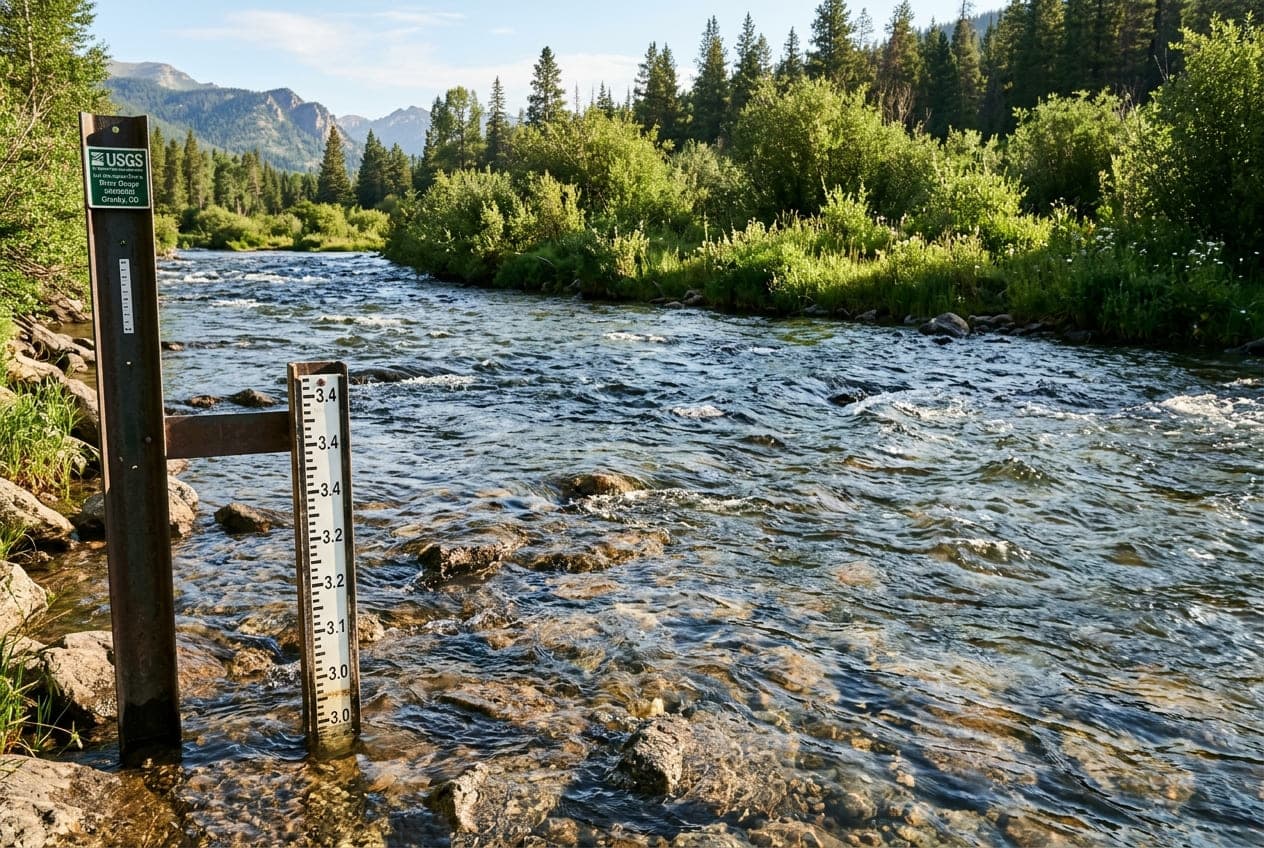
As rivers see increasing recreational traffic across the United States, conflicts between kayakers, commercial raft trips, drift boats, and wade fishermen have become common topics of debate in river communities.
Unlike maritime coastal waters or highway driving, moving inland rivers do not have stop signs, painted lane lines, or traffic lights. Instead, safe and polite navigation relies on a long-established code of River Right-of-Way and shared outdoor etiquette.
Whether you are navigating a class IV canyon or floating a lazy trout stream, here are the essential rules of the water.
1. Primary Right-of-Way: Downstream Craft Priority
The foundational legal and maritime principle on any moving river is simple:
The craft traveling downstream (with the current) generally has the right-of-way over craft attempting to paddle upstream or hold position, BUT non-motorized and less-maneuverable craft always take precedence.
Why Downstream Traffic Has Right-of-Way:
- A boat descending a rapid has momentum, limited braking capability, and is committed to gravity-driven hydrodynamic lines.
- A craft upstream cannot simply “hit the brakes” in fast current.
- Boats holding in an eddy or ferries waiting at the bottom of a rapid must yield the active downstream tongue to descending craft.
Maneuverability Hierarchy (Most to Least Maneuverable):
- Jet Boats / Powercraft: Must yield to all human-powered craft.
- Hard-Shell Kayaks: Highly nimble; should yield line choice to larger, less-maneuverable rafts and drift boats.
- Loaded Rafts & Catarafts: Heavy momentum, slow pivot times.
- Swimmers / Capsized Boaters: Have absolute universal priority over all vessels.
2. The Angler-Paddler Compact: Sharing Trout Streams
The most frequent source of river friction occurs when descending paddlers approach wading fly fishermen or anchored drift boats:
| Scenario | What Paddlers Should Do | What Anglers Should Do |
|---|---|---|
| Wade Angler on Bank | Float past on the opposite side of the river from where the angler is standing. If both banks are narrow, pass behind the angler rather than through the pool in front of them. | Make eye contact early, signal your preferred passage route with a rod tip, and reel in temporarily as the boat clears your pool. |
| Drift Boat Anchored in Riffle | Give the drift boat a wide lateral berth (at least 50–70 feet if possible). Avoid paddling directly across their casting target. | Do not block the primary navigable deep-water channel on narrow rivers if boats cannot bypass safely. |
| Approaching Blind Bends | Call out a friendly heads-up: “Paddler coming down river left!” | Stay alert to approaching boat noise; avoid casting directly into an incoming boat's path. |
The Golden Rule: Never paddle directly through the feeding lane or foam line that an angler is actively fishing if a secondary deep-water line is available.
3. Boat Ramp & Put-In Etiquette
Boat ramps are high-traffic bottlenecks. Adhering to prompt ramp protocols prevents long wait times and frustration:
- Rig in the Staging Lot, Not on the Ramp: Pack your dry bags, adjust your foot braces, inflate secondary chambers, and rig your frame in the upper parking area before backing down to the ramp.
- The 5-Minute Rule: Use the ramp solely for launching and immediate retrieval. Back your trailer down, slide the boat into the water, and pull your vehicle into a designated parking stall immediately.
- Clear the Launch Eddy: Once your boat is in the water, row or paddle out of the primary ramp eddy so following parties have room to land and launch safely.
4. Rapid Spacing and Group Run Protocols
When boating in a group or sharing a canyon run with other parties:
- One Boat in the Rapid at a Time: In class III+ rapids, never enter the rapid until the lead boat has successfully navigated the drop and established an eddy with safety throw ropes ready.
- Do Not “Surf Piggyback”: If another paddler is surfing a stationary wave or hole, wait your turn in the upstream eddy. Surfing into an occupied wave risks violent hull collisions and broken paddles.
- Yielding to Commercial Rigs: Commercial guides carry paying passengers and heavy equipment. Giving them clear space through technical choke points ensures everyone has a safe run.
5. Leave No Trace (LNT) for River Runners
River corridors are fragile riparian ecosystems with limited soil regeneration:
- Pack Out All Waste (Including Human Waste): On wild and scenic river corridors, carry an approved portable toilet (groover) or wag bags. Never bury human waste in riverbank sandbars.
- Micro-Trash Vigilance: Bottle caps, monofilament fishing line, energy gel wrappers, and zip-ties are lethal to waterfowl and aquatic life.
- Camp on Durable Surfaces: Set up river camps on durable sandbars, gravel bars, or established impact sites rather than trampling delicate shoreline vegetation.
- Fire Pan Mandatory: If fires are permitted, use an elevated fire pan with a fire blanket underneath to prevent scorching river rocks and leaving sterile ash mounds.
Want to see this in action? Check real-time river conditions near you.
Explore All Rivers →