
River Tubing Safety Guide: Safe CFS Flow Rates, Hidden Hazards, and Essential Gear
Planning a river tubing float? Discover safe flow rate thresholds, why tying tubes together is dangerous, foot entrapment risks, and cold water safety.
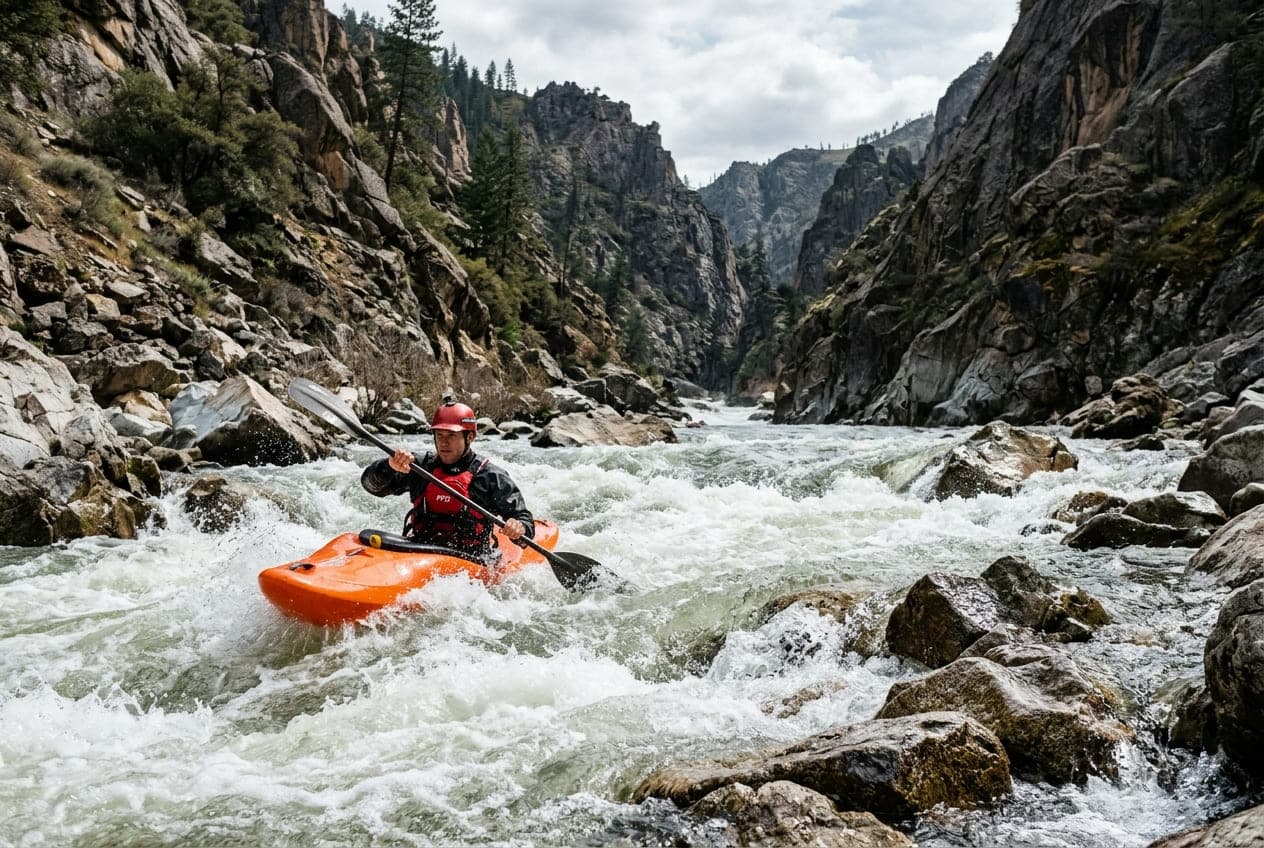
Floating down a scenic river on an inner tube on a sunny summer weekend is one of the most quintessential outdoor traditions in America. From the Salt River in Arizona and the Guadalupe in Texas to the Apple River in Wisconsin and the Delaware River in the Northeast, hundreds of thousands of people flock to moving water every summer.
However, because river tubing is often marketed as a casual, beer-in-hand "lazy river" activity, many floaters forget one critical fact: a natural river is not a water park.
Natural waterways feature unpredictable currents, submerged tree roots, cold temperatures, and shifting depths. Every year, emergency response teams perform dozens of swiftwater rescues because floaters hit the river without checking flow rates or understanding basic river safety.
Here is everything you need to know about interpreting flow rates (CFS), recognizing river hazards, and keeping your group safe on a river tubing trip.
Understanding Flow Rates: How CFS Dictates Your Float
Before inflating your tubes, the single most important step is checking the live streamflow (CFS) on the nearest river gauge.
Flow rates determine how fast you travel, whether you will scrape the bottom, or whether the current will drag you into dangerous strainers.
While every river has its own unique cross-section and gradient, here is how flow rates generally affect recreational tubing:
| Flow Condition | River Characteristics | Tubing Experience |
|---|---|---|
| Too Low (Drought / Scrapey) | Water depth under 1 foot in wide sections; broad exposed gravel beds | Constant bottom-scraping, bruised tailbones, walking your tube through shallows, very slow float (under 0.5 mph). |
| Optimal (Prime Recreational) | Clear, gentle current; 1 to 2 mph speed; riffles are mild and splashy | The Sweet Spot: Deep enough to float continuously without dragging, calm enough for relaxed maneuvering, easily navigated. |
| Pushy / High Flow | Muddy, brown water; current moves at 4+ mph; visible whirlpools and boiling eddies | High Risk: Current pushes hard toward riverbanks and bridge piers. Inexperienced swimmers easily get swept into trees and logs. |
| Flood / Blown Out | Water overtakes grass banks; tree trunks partially submerged; debris floating | Extremely Dangerous: Never tube during high-water advisories or flood stages. Commercial liveries shut down operations. |
The #1 Fatal Mistake: Tying Tubes Together With Ropes
If you take only one piece of safety advice from this guide, let it be this: NEVER tie multiple tubes together with static ropes or cords.
It is common to see groups of friends or families tie 6 or 8 inner tubes together with poly rope to "stay together" as a floating island. While it seems fun and social, this creates a catastrophic snag hazard:
The "Clothesline" Effect
When an interconnected flotilla encounters a bridge pier, a gravel bar, or a fallen tree (strainer):
- The front tubes float on one side of the obstacle, while the trailing tubes float on the other side.
- The connecting rope catches the obstacle like a clothesline.
- The heavy force of hundreds of gallons of rushing water immediately pins the rope against the obstacle and flips the tubes upside down.
- Floaters get tangled in the web of slack ropes and underwater cords, making self-rescue virtually impossible.
The Safe Alternative: If you want to stay together, use carabiners clipped directly handle-to-handle, or simply hold onto your friend's tube handle with your hand. That way, if an obstacle approaches, you can instantly let go and maneuver individually.
Foot Entrapment: The Silent Danger of Standing Up
When a tube bumps into a shallow gravel bar or begins drifting toward an eddy, a floater's natural instinct is to stand up in the current.
In moving water that is knee-deep or waist-deep, standing up can be lethal due to foot entrapment.
How Foot Entrapment Happens
- The riverbed contains cracks between submerged rocks, tree roots, discarded wire, and submerged branches.
- If your foot slips into a narrow crevice between two boulders while the current pushes against your body, your foot becomes wedged tightly like a shoehorn.
- The force of the moving water against your chest and back pushes you forward.
- You cannot bend down to reach your trapped ankle against the heavy current, and the water forces your head underwater—even in just 2 feet of water.
The Golden Rule: Nose and Toes Up
If you fall out of your tube in moving current, never attempt to stand up until the water is completely calm and less than mid-calf deep.
- Flip onto your back with your head upstream and your feet pointed downstream.
- Keep your toes up out of the water where you can see them.
- Use your arms to gently back-paddle toward the nearest calm eddy or shoreline.
- Let your feet bounce harmlessly off shallow rocks until you reach slow, shallow water.
Strainers and Sweepers: Trees in the Current
A strainer is any river obstacle that allows water to pass through while trapping solid objects like boats, tubes, and human bodies—most commonly fallen trees, root wads, or overhanging riverbank willows (sweepers).
Because inner tubes have virtually zero steering or braking capability, river currents will naturally push you toward the outside of river bends where the fastest water and the majority of fallen trees are located.
- Look Far Ahead: Keep your eyes 100 yards downstream. If you see brush or fallen timber sticking out into the water, begin paddling with your hands toward the inside bank immediately.
- If You Hit a Tree: If you cannot avoid a fallen branch, never lean back into your tube. Lean aggressively toward the obstacle and throw your chest onto the log. Leaning back causes the current to grab the upstream edge of your tube, flipping you underneath the submerged branches.
Cold Water Shock: Don't Be Fooled by 90°F Heat
Even if the afternoon air temperature is sweltering at 95°F (35°C), rivers fed by mountain snowmelt or deep dam releases (tailwaters) can run at 50°F to 58°F (10°C to 14°C).
Jumping into 55°F water causes an involuntary biological reaction called cold water shock:
- An uncontrollable gasp reflex that can cause you to inhale water directly into your lungs.
- Rapid hyperventilation and an immediate spike in heart rate and blood pressure.
- Rapid loss of muscle control in your hands and arms in less than 10 minutes.
Always wear a properly fitted, US Coast Guard-approved Life Jacket (PFD). If you fall off your tube, a life jacket keeps your head above the water even during an involuntary gasp reflex.
Essential Gear Checklist for River Tubing
Before launching, make sure your group is equipped with the right gear:
- Heavy-Duty Commercial Grade Tubes: Avoid cheap swimming pool vinyl toys that pop on the first submerged river twig. Use heavy-gauge PVC tubes with canvas outer covers and double-stitched grab handles.
- Proper Footwear: Never float barefoot or in loose flip-flops that float away on your first step. Wear secure water shoes, river sandals with heel straps (like Chacos or Tevas), or old sneakers.
- PFD (Life Jacket): Mandatory for all children and strongly advised for all adults, especially in rivers with moving current.
- Hydration and Sun Protection: Alcohol accelerates dehydration and impairs reaction times. Pack at least two liters of fresh drinking water per person, apply broad-spectrum mineral sunscreen, and wear polarized sunglasses secured with a floating lanyard.
- Dry Bag & Phone Protection: Store your vehicle keys, emergency phone, and medical necessities in a waterproof dry bag securely clipped inside your tube.
Plan Your Float With Real Data
Never treat a river like an amusement park ride. Take five minutes before you pack your cooler to check real-time conditions.
Look up the current flow rates and water levels on ClearGauge to ensure the river is running in its safe, optimal recreational range before you head to the put-in. Have fun, keep your feet up, and enjoy a safe summer float!
Want to see this in action? Check real-time river conditions near you.
Explore All Rivers →